“`html
Why Is My Shopify Store Not Converting? 7 Issues A/B Testing Will Reveal
If you’re asking yourself “why is my Shopify store not converting,” you’re not alone. Thousands of Shopify store owners face the same frustrating challenge every day. You’ve invested time, money, and energy into building your online store, driving traffic through ads and social media, yet your conversion rates remain disappointingly low. The good news? A/B testing can reveal exactly what’s preventing visitors from becoming customers.
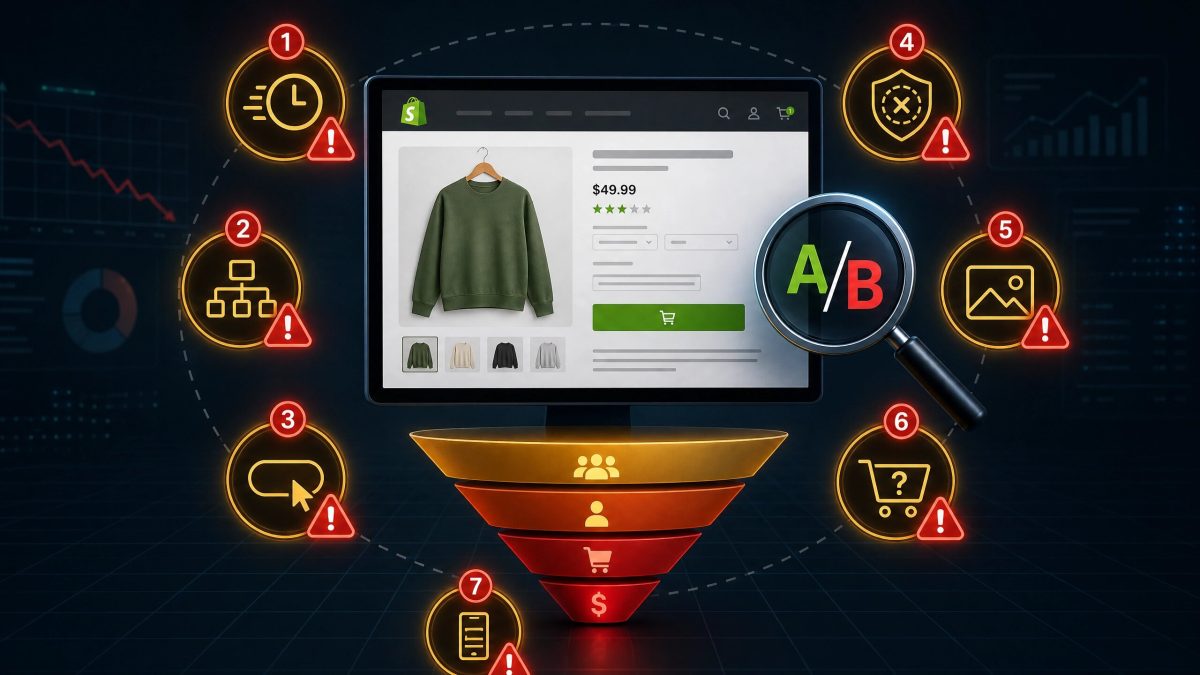
Understanding why your Shopify store is not converting is the first step toward transforming your struggling ecommerce business into a profitable venture. In this comprehensive guide, we’ll explore seven critical issues that A/B testing will uncover, helping you identify and fix the conversion killers that are costing you sales every single day.
Understanding Why Your Shopify Store Is Not Converting
Before diving into specific issues, it’s essential to understand the fundamentals of conversion rate optimization (CRO). When store owners ask “why is my Shopify store not converting,” they’re often looking at the problem from the wrong angle. Conversion isn’t just about having a beautiful store—it’s about creating a seamless experience that guides visitors toward making a purchase.
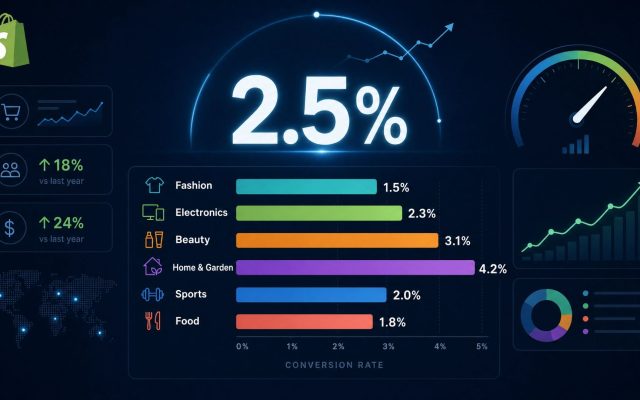
The average Shopify store conversion rate hovers around 1.4%, meaning if you’re wondering why your Shopify store is not converting at even this baseline level, there are likely multiple factors at play. A/B testing allows you to systematically identify these issues by comparing different versions of your store elements and measuring which performs better.
What A/B Testing Reveals About Poor Conversions
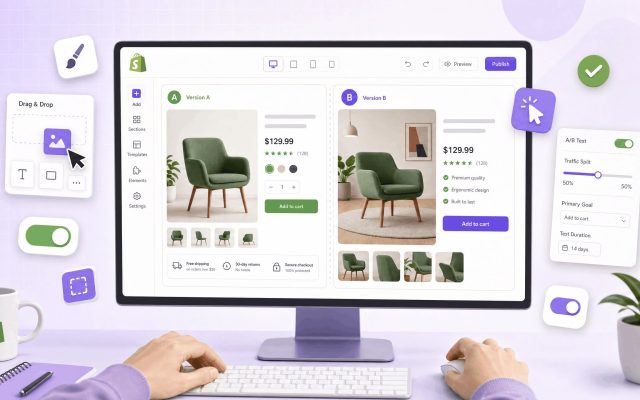
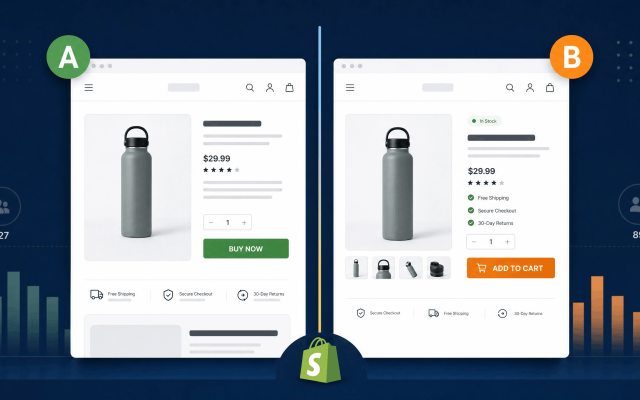
A/B testing, also known as split testing, is the scientific method for understanding why your Shopify store is not converting. By showing different versions of a page element to different segments of your audience, you can gather data-driven insights about what actually works versus what you assume works.
When investigating why your Shopify store is not converting, A/B testing removes the guesswork and replaces it with concrete evidence. This methodology helps you understand customer behavior patterns, identify friction points in your sales funnel, and make informed decisions about design and copy changes.
Issue #1: Your Product Pages Aren’t Optimized for Conversions
The most common reason why a Shopify store is not converting comes down to poorly optimized product pages. Your product pages are where purchase decisions happen, and even small issues can dramatically impact your conversion rates.
Product Description Problems
If you’re wondering why your Shopify store is not converting, examine your product descriptions first. Many store owners make the mistake of using manufacturer descriptions or writing feature-focused copy that doesn’t resonate with customers. A/B testing can reveal whether benefit-driven descriptions outperform feature lists.
When asking why your Shopify store is not converting, consider that customers want to know how a product will improve their lives, not just its specifications. Test different description formats, lengths, and tones to discover what resonates with your specific audience.
Image Quality and Presentation
Poor product imagery is another major reason why a Shopify store is not converting as expected. A/B testing different image styles—lifestyle shots versus white backgrounds, multiple angles versus single images, or zoom functionality versus static photos—can reveal surprising preferences among your visitors.
Research shows that 75% of online shoppers rely on product photos when making purchase decisions. If you’re still puzzled about why your Shopify store is not converting, running A/B tests on your product imagery should be a top priority.
Price Presentation and Perceived Value
The way you display prices significantly impacts why your Shopify store is not converting. A/B testing can help you determine whether showing original prices with discounts, using charm pricing (ending in .99), or highlighting value propositions near the price point improves conversions.
Many store owners discover that why their Shopify store is not converting relates directly to how customers perceive value. Testing different price presentation strategies can increase conversion rates by 10-20% without changing your actual pricing structure.
Issue #2: Your Checkout Process Creates Friction
Cart abandonment is a telltale sign of why a Shopify store is not converting. The average cart abandonment rate across ecommerce is nearly 70%, and much of this comes down to checkout friction. A/B testing your checkout process can reveal exactly where customers are dropping off.
Too Many Steps in Checkout
One significant reason why your Shopify store is not converting is a lengthy checkout process. Each additional step gives customers another opportunity to abandon their purchase. A/B testing single-page checkout versus multi-step checkout often reveals dramatic differences in completion rates.
Understanding why your Shopify store is not converting often requires analyzing each checkout step individually. Test removing optional fields, combining steps, or reordering the information you request to find the optimal flow for your customers.
Lack of Trust Signals
If you’re investigating why your Shopify store is not converting, examine your trust signals at checkout. Security badges, money-back guarantees, and customer testimonials can significantly impact whether visitors complete their purchase.
A/B testing different trust signal placements and types helps answer why your Shopify store is not converting. Some audiences respond better to security badges, while others are more influenced by customer reviews or satisfaction guarantees prominently displayed during checkout.
Surprise Costs and Shipping
Hidden shipping costs are the number one reason why a Shopify store is not converting at checkout. A/B testing free shipping thresholds, flat-rate shipping, or shipping calculators early in the shopping process can dramatically reduce cart abandonment.
When customers ask why your Shopify store is not converting their interest into sales, unexpected fees at checkout are often the culprit. Test displaying shipping information earlier in the customer journey to set appropriate expectations.
Issue #3: Poor Mobile Experience Is Killing Your Sales
With over 70% of Shopify traffic coming from mobile devices, a subpar mobile experience is a critical reason why a Shopify store is not converting. A/B testing specifically for mobile users can uncover issues you might never notice on desktop.
Mobile Navigation and Usability
Complicated mobile navigation is a frequent answer to why your Shopify store is not converting mobile visitors. A/B testing different menu structures, button sizes, and touch targets helps optimize the mobile shopping experience.
Understanding why your Shopify store is not converting on mobile requires testing elements like hamburger menus versus tab bars, sticky add-to-cart buttons, and simplified mobile-specific layouts. These tests often reveal significant opportunities for improvement.
Page Load Speed on Mobile
Slow mobile load times are another critical factor in why a Shopify store is not converting. A/B testing can help you understand the relationship between page speed and conversions, often revealing that even a one-second delay can cost you significant revenue.
When analyzing why your Shopify store is not converting, use Google’s PageSpeed Insights to identify mobile performance issues. Then A/B test different optimization strategies to see which improvements have the biggest impact on your conversion rates.
Mobile-Specific Features
Testing mobile-specific features like one-tap checkout, mobile wallets (Apple Pay, Google Pay), and simplified forms can explain why your Shopify store is not converting mobile traffic effectively. Mobile shoppers have different expectations and behaviors than desktop users.
A/B testing mobile payment options is essential when determining why your Shopify store is not converting. Studies show that mobile wallet options can increase mobile conversion rates by up to 30% for some stores.
Issue #4: Your Call-to-Action Buttons Aren’t Compelling
Weak calls-to-action (CTAs) are a surprisingly common reason why a Shopify store is not converting. A/B testing your CTA buttons—including color, size, text, and placement—can yield quick wins for your conversion rates.
CTA Button Design
The visual design of your buttons directly impacts why your Shopify store is not converting at optimal rates. A/B testing button colors that contrast with your site design, different sizes, and various shapes helps identify what catches your customers’ attention.
Many store owners discover why their Shopify store is not converting by testing something as simple as button color. While there’s no universal “best” color, testing reveals which options resonate most with your specific audience.
CTA Copy and Urgency
The text on your buttons significantly influences why a Shopify store is not converting visitors to customers. A/B testing different CTA copy—”Add to Cart” versus “Get Yours Now” versus “Buy Now”—reveals which language motivates your audience to take action.
When investigating why your Shopify store is not converting, test adding urgency to your CTAs. Phrases like “Limited Stock” or “Order Now for Fast Shipping” can create the urgency needed to push hesitant shoppers toward purchase.
CTA Placement and Visibility
Where you place your CTAs matters enormously for why your Shopify store is not converting. A/B testing above-the-fold placement, sticky buttons, and multiple CTA positions throughout product pages helps optimize visibility and accessibility.
Understanding why your Shopify store is not converting often comes down to making the purchase action obvious and easy. Test whether customers respond better to prominent, always-visible CTAs or more subtle approaches.
Issue #5: Missing or Weak Social Proof
Lack of social proof is a major factor in why a Shopify store is not converting new visitors. A/B testing different types and placements of social proof helps you leverage the power of customer validation effectively.
Customer Reviews and Ratings
If you’re asking why your Shopify store is not converting, examine your review strategy. A/B testing review display formats, star rating placements, and review highlight boxes can significantly impact customer confidence and purchase decisions.
The absence of reviews is often why a Shopify store is not converting, especially for newer stores. Test different approaches to collecting and displaying reviews, including photo reviews, video testimonials, and verified purchase badges.
User-Generated Content
User-generated content (UGC) can address why your Shopify store is not converting by showing real customers using your products. A/B testing Instagram feeds, customer photo galleries, and UGC in product descriptions reveals how social content influences purchases.
When analyzing why your Shopify store is not converting, consider that 79% of consumers say UGC highly impacts their purchasing decisions. Testing different UGC placements and formats can unlock significant conversion improvements.
Trust Badges and Certifications
Trust badges and certifications play a crucial role in why a Shopify store is not converting, particularly for first-time visitors. A/B testing different badge types, placements, and combinations helps build the trust necessary for conversions.
Understanding why your Shopify store is not converting requires testing which trust signals resonate with your audience. Some customers value security certifications, while others respond better to satisfaction guarantees or industry-specific credentials.
Issue #6: Your Navigation and Site Structure Confuse Visitors
Confusing navigation is an often-overlooked reason why a Shopify store is not converting. A/B testing your site structure, menu organization, and category pages can reveal how information architecture affects sales.
Menu Structure and Categories
Poor menu organization is frequently why your Shopify store is not converting browsers into buyers. A/B testing different category names, menu hierarchies, and navigation styles helps customers find what they’re looking for more efficiently.
When investigating why your Shopify store is not converting, test simplifying your menu structure. Too many options can overwhelm visitors, while too few can make products hard to find. A/B testing helps identify the optimal balance.
Search Functionality
Inadequate search functionality contributes to why a Shopify store is not converting visitors who know what they want. A/B testing search bar placement, autocomplete features, and search result layouts can dramatically improve the shopping experience.
Studies show that visitors who use site search convert at 2-3x higher rates than those who don’t. If you’re wondering why your Shopify store is not converting, optimizing your search experience through A/B testing should be a priority.
Filtering and Sorting Options
Limited filtering options are another reason why your Shopify store is not converting, especially for stores with large catalogs. A/B testing different filter types, placements, and default sorting orders helps customers navigate to relevant products faster.
Understanding why your Shopify store is not converting often involves testing how customers prefer to browse your products. Test price filters, attribute filters, and sorting options to optimize the product discovery experience.
Issue #7: Your Value Proposition Isn’t Clear
An unclear value proposition is a fundamental reason why a Shopify store is not converting visitors into customers. A/B testing your messaging, headlines, and brand positioning helps communicate why customers should buy from you instead of competitors.
Homepage Messaging
Weak homepage messaging is often why your Shopify store is not converting first-time visitors. A/B testing different headlines, hero images, and value proposition statements reveals what resonates most with your target audience.
When customers land on your store, they need to immediately understand what you sell and why they should care. A/B testing different approaches to communicating your unique value helps address why your Shopify store is not converting at optimal rates.
Unique Selling Propositions
Failing to communicate your unique selling propositions (USPs) is why a Shopify store is not converting against competitors. A/B testing different USP presentations—icons, banners, or dedicated sections—helps highlight what makes your store special.
Understanding why your Shopify store is not converting requires clearly differentiating yourself from competitors. Test different ways of presenting your USPs, including free shipping, quality guarantees, sustainability practices, or exceptional customer service.
Brand Story and Connection
Lack of emotional connection is an underestimated factor in why your Shopify store is not converting. A/B testing different brand story presentations, About page formats, and storytelling elements throughout your site can build the connection that drives loyalty and conversions.
When analyzing why your Shopify store is not converting, consider that customers increasingly want to buy from brands that align with their values. Test different approaches to sharing your brand story and mission to see how it impacts conversion rates.
Comparison Table: A/B Testing Opportunities for Shopify Conversion Issues
To help you prioritize your testing efforts when addressing why your Shopify store is not converting, here’s a comprehensive comparison of the seven issues and their testing opportunities:
| Conversion Issue | Elements to A/B Test | Potential Impact | Testing Difficulty | Recommended Priority |
|---|---|---|---|---|
| Product Page Optimization | Descriptions, images, price display, layout | High (15-30% improvement) | Medium | 1 – Highest |
| Checkout Friction | Steps, trust signals, shipping display | Very High (20-40% improvement) | Medium-High | 2 – High |
| Mobile Experience | Navigation, speed, mobile payments | High (15-35% improvement) | Medium | 3 – High |
| Call-to-Action Buttons | Color, copy, size, placement | Medium (5-15% improvement) | Low | 4 – Medium |
| Social Proof | Reviews, UGC, trust badges | Medium-High (10-25% improvement) | Low-Medium | 5 – Medium |
| Navigation/Site Structure | Menus, search, filters | Medium (8-20% improvement) | Medium | 6 – Medium |
| Value Proposition | Headlines, USPs, brand story | High (10-30% improvement) | Medium | 7 – Ongoing |
This comparison table helps illustrate that when asking why your Shopify store is not converting, multiple factors typically contribute to the problem. Systematic A/B testing across all these areas will yield the best results for improving your overall conversion rate.
How to Start A/B Testing to Discover Why Your Shopify Store Is Not Converting
Now that you understand the seven key issues behind why a Shopify store is not converting, let’s discuss how to implement an effective A/B testing strategy to address them.
Choosing the Right A/B Testing Tools
To discover why your Shopify store is not converting, you’ll need reliable A/B testing tools. Popular options for Shopify include Google Optimize (free), Optimizely, VWO, and Shopify-specific apps like Neat A/B Testing and Convert.
When selecting tools to understand why your Shopify store is not converting, consider factors like ease of use, statistical significance calculations, and integration with your existing analytics setup. The right tool makes testing accessible even for non-technical store owners.
Prioritizing Your Tests
With limited time and traffic, prioritizing which tests to run first is crucial for understanding why your Shopify store is not converting. Use the PIE framework (Potential, Importance, Ease) to evaluate testing opportunities and focus on high-impact, achievable tests.
When investigating why your Shopify store is not converting, start with tests that address your biggest pain points. If cart abandonment is high, focus on checkout tests. If bounce rates are the issue, prioritize landing page and product page tests.
Ensuring Statistical Significance
A common mistake when testing why a Shopify store is not converting is ending tests too early. Ensure each test reaches statistical significance (typically 95% confidence) before drawing conclusions and implementing changes.
Understanding why your Shopify store is not converting requires patience and proper methodology. Running tests for adequate time periods with sufficient traffic ensures your results reflect actual customer preferences rather than random variation.
Advanced A/B Testing Strategies for Shopify Conversion Optimization
Once you’ve addressed the basics of why your Shopify store is not converting, advanced testing strategies can help you achieve even better results.
Multivariate Testing
While A/B testing compares two versions, multivariate testing examines multiple variables simultaneously. This advanced approach can reveal complex interactions between elements that explain why your Shopify store is not converting.
When investigating why your Shopify store is not converting, multivariate testing helps you understand how different elements work together. However, this approach requires more traffic to achieve statistical significance.